


About a year and a half after implementing recommended interventions, we sought a psychological reassessment because we were concerned about our son’s developmental trajectory.
We received a second neurodevelopmental diagnosis.
The psychologist kindly explained that our son’s place was in school with adequate supports. They also reminded me that mom was not a therapist.
After the diagnosis of severe intellectual disability was delivered, I asked:
“What does this mean for his autism diagnosis? Does it mean he moved from level 2 to level 3?”
The psychologist replied:
“That’s a good question. I didn’t score him on the autism scale this time.”
At that moment something became clear to me.
I could accept peer-reviewed knowledge —
the kind that sits in journals and counts as publications, mostly siloed within professional domains,
but does not necessarily solve the problems children like mine face daily.
Or I could build knowledge that wants to solve problems.
Guess which one I chose.
Sometimes ideas begin somewhere unexpected.
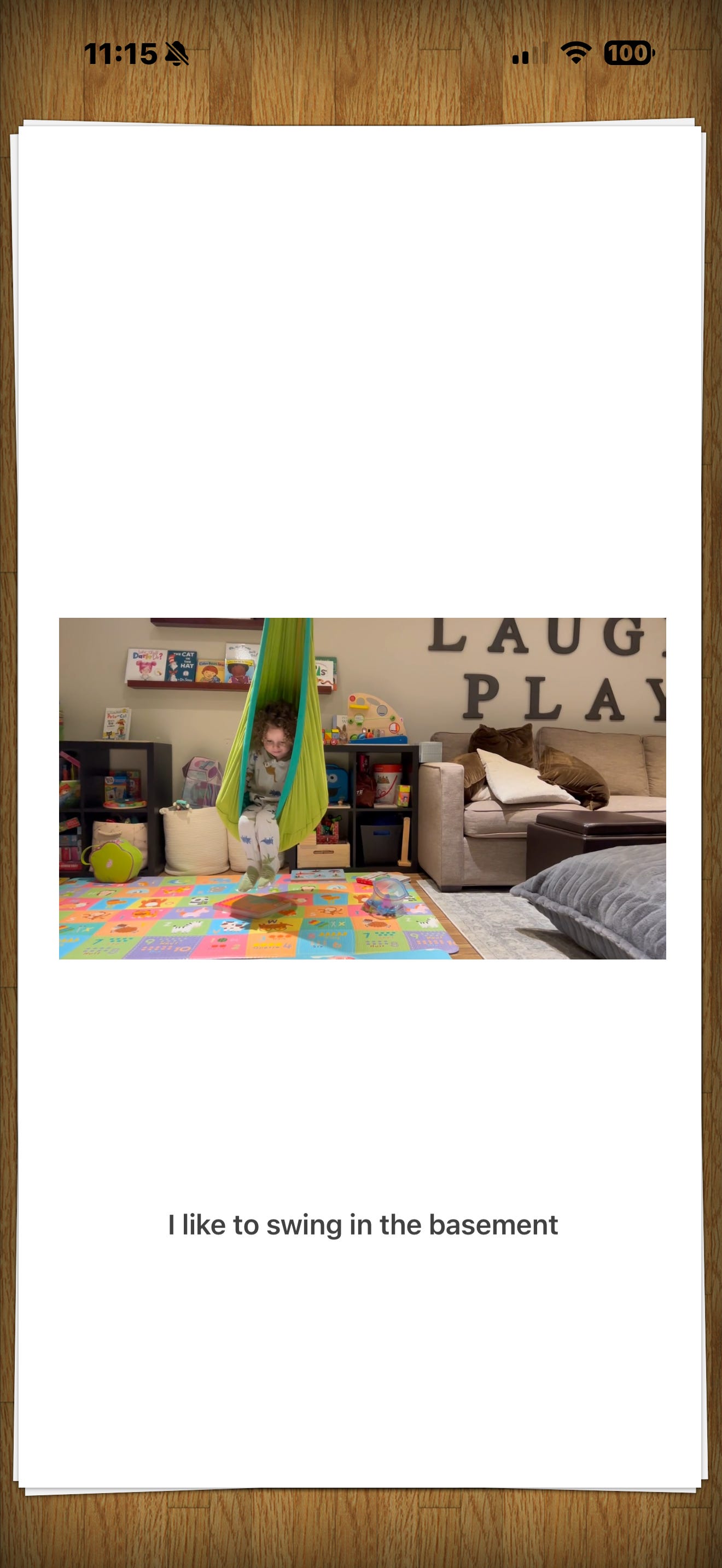
Screenshot of a Pictello (AAC) page with an embedded video my son recently started watching again.
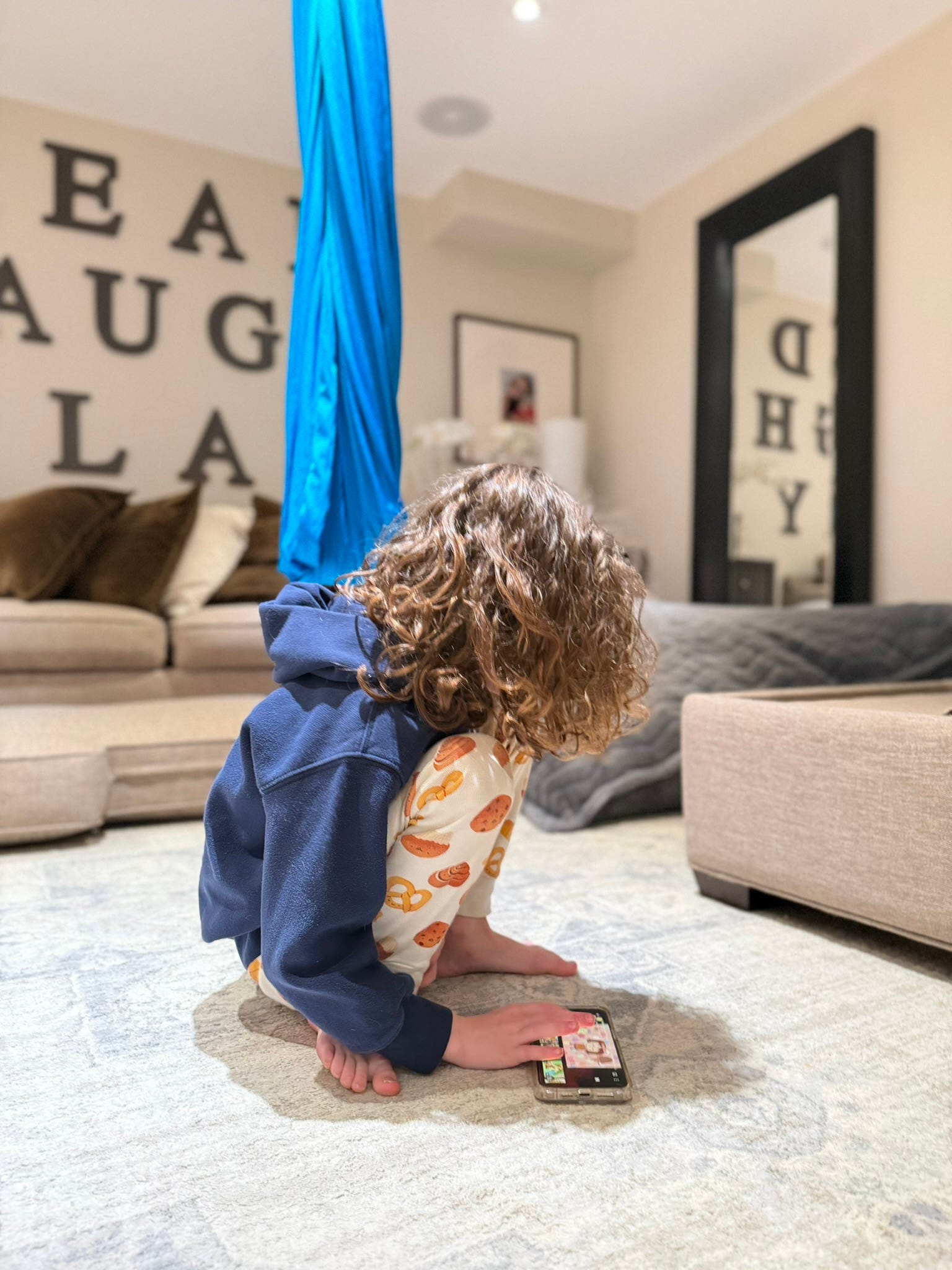
Watching a video. Oblivious.
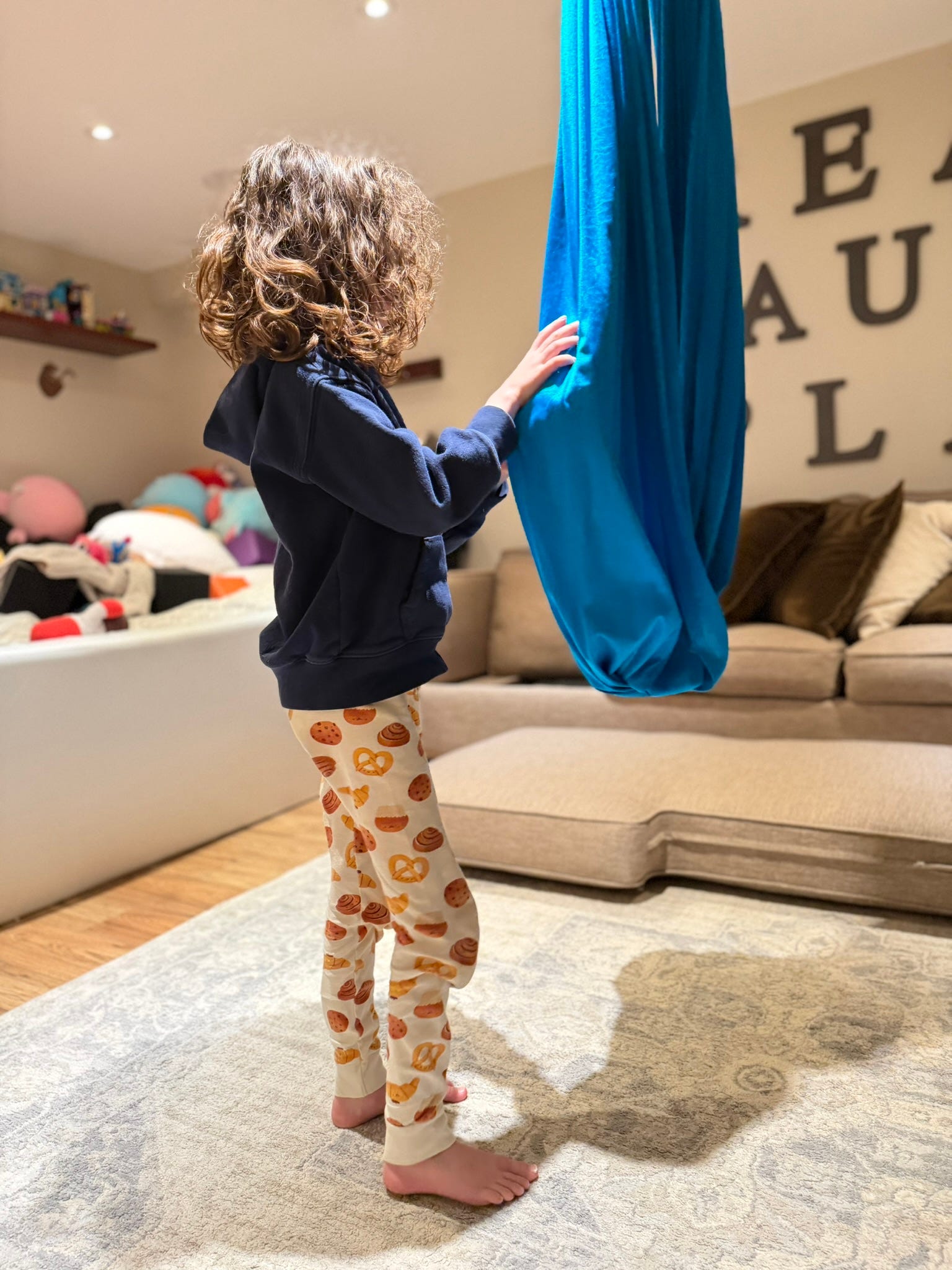
I have an idea.
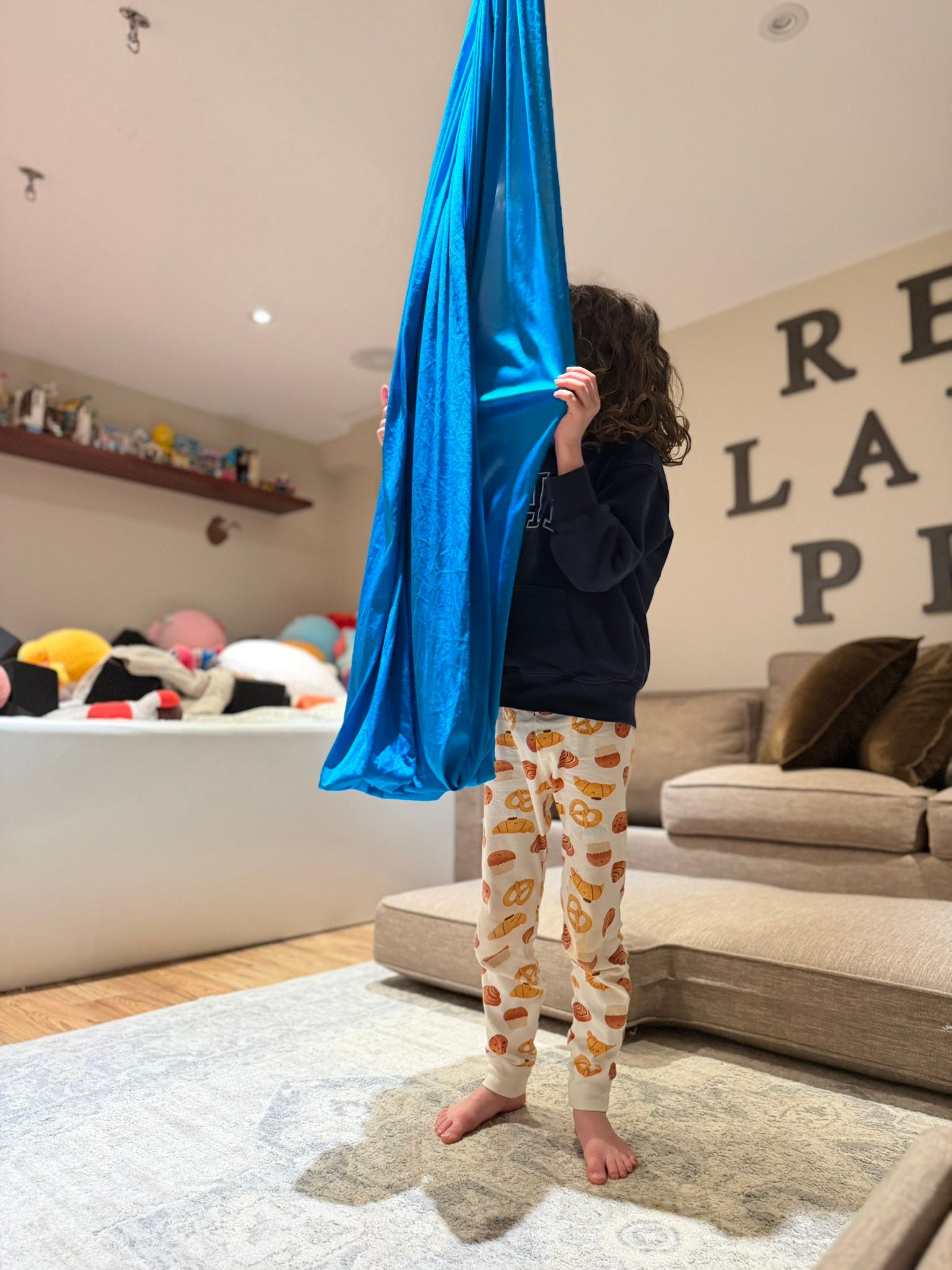
“I like to swing in the basement.”
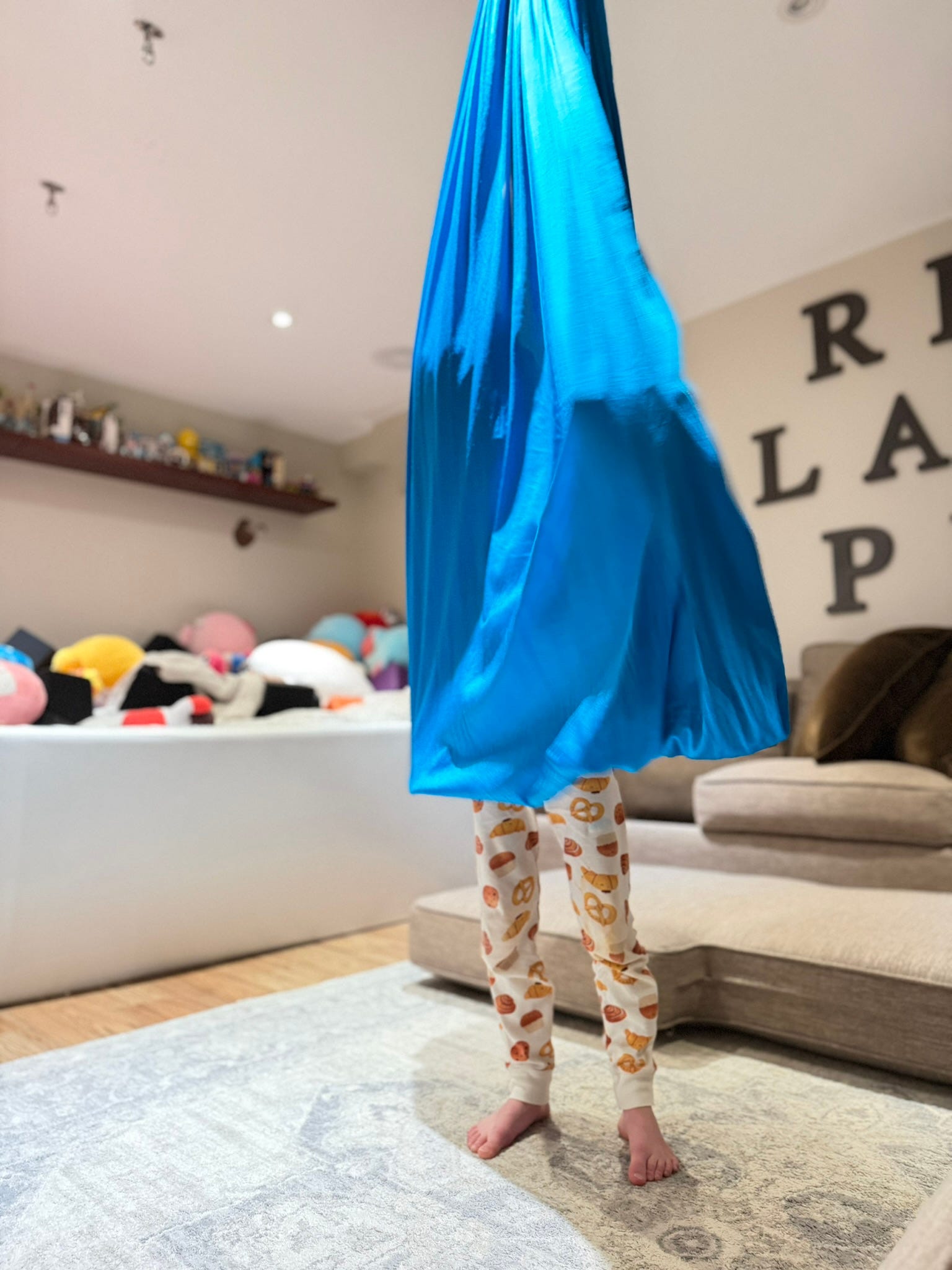
Oh no… how does this work?
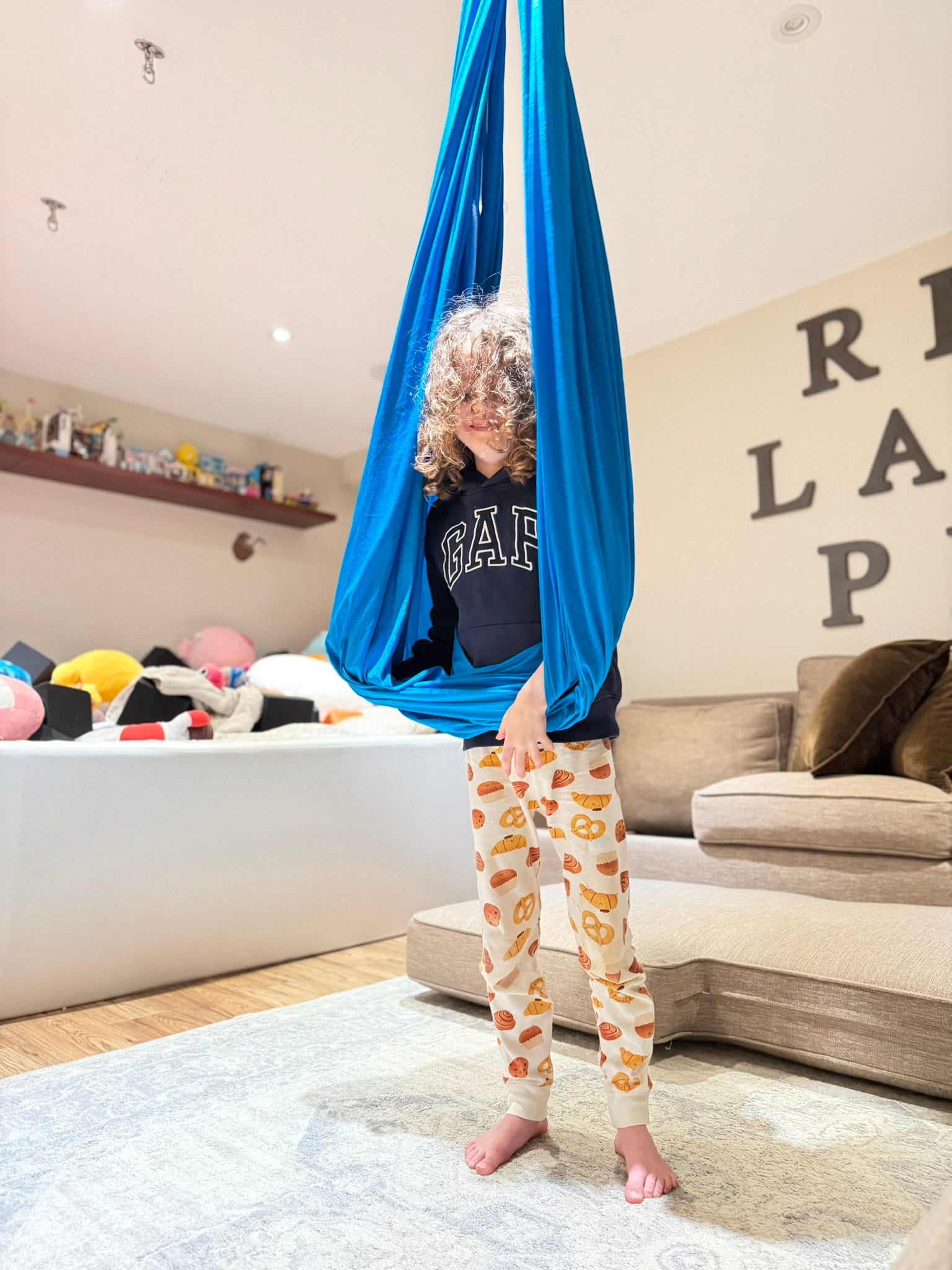
Got it.
Jerome Bruner once noted:
narratives don’t just describe experience —
they organize future action.
Future visual observations in this series will be available to subscribers. If this way of documenting development unfolding in everyday life resonates with you, consider subscribing.